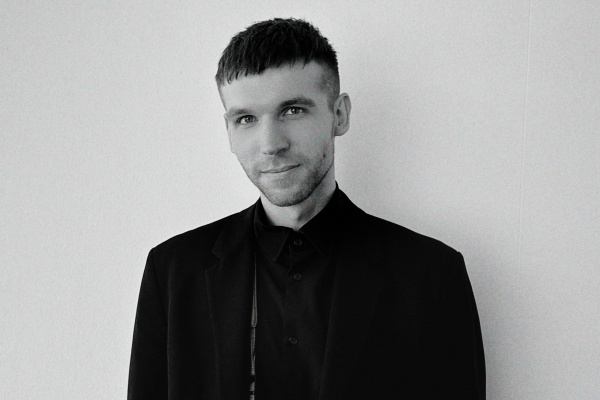
Vasyl Hudyma
1. Congratulations on winning in the Global Photography Awards! Can you share a little about yourself, what inspired you to pursue photography, and how has your journey evolved since your first shot?
I’m a wedding photographer originally from Ukraine, now based in the United States. My journey started with simple curiosity about light, how a small change in direction or softness could completely transform a person’s face or a landscape. My work is driven by a love for elegance, calm and genuine emotion. I’m inspired by classical art, architecture and cinema, and I try to bring that sense of timelessness into every image. Winning at the Global Photography Awards feels like a meaningful milestone in this journey, confirming that the quiet, refined approach I believe in can speak to a global audience.
2. Can you share the story or inspiration behind your award-winning piece? How does winning this award make you feel about your journey in photography?
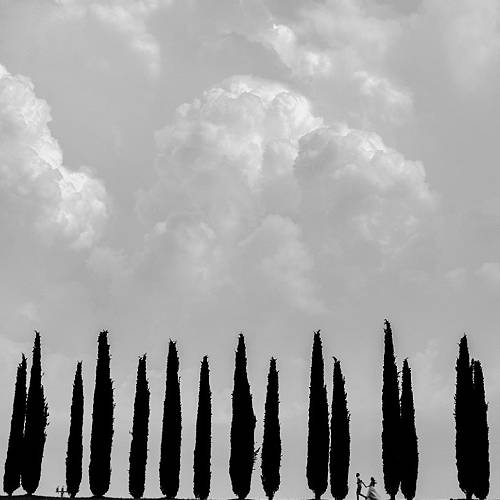
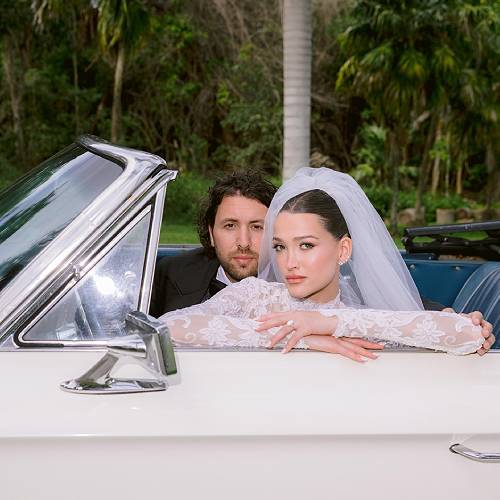
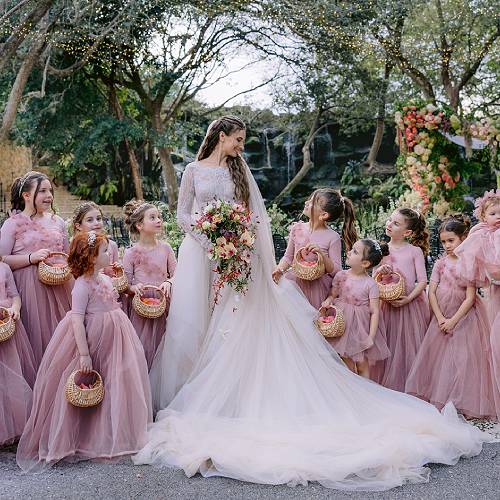
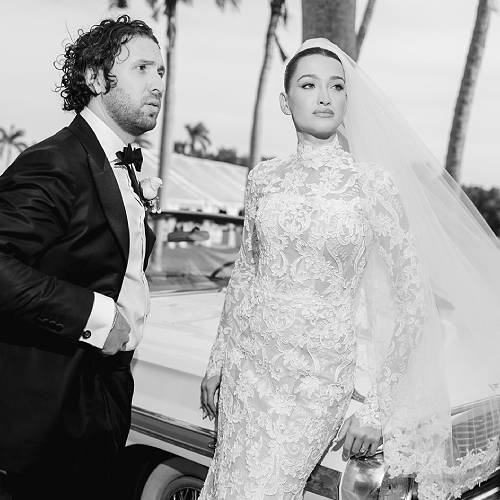
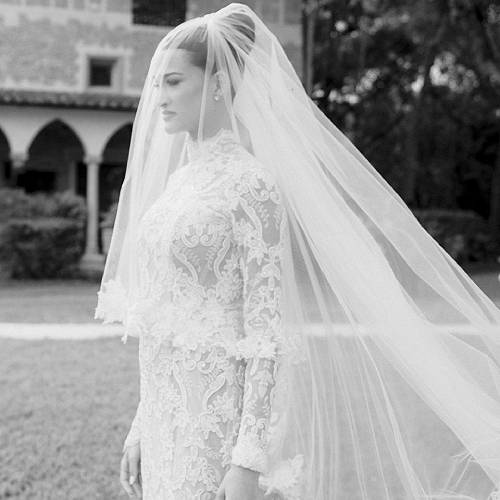
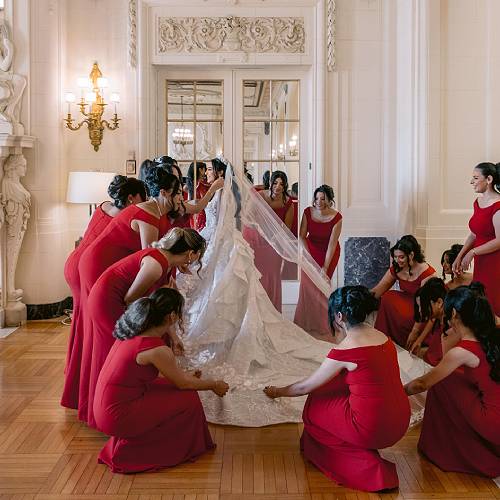
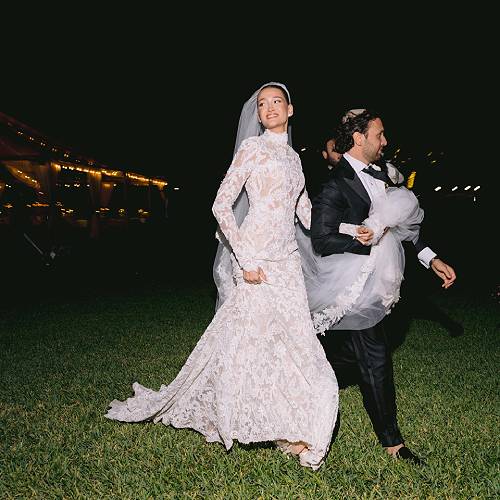
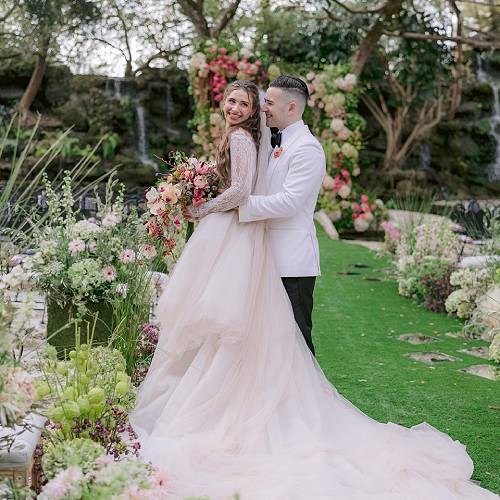
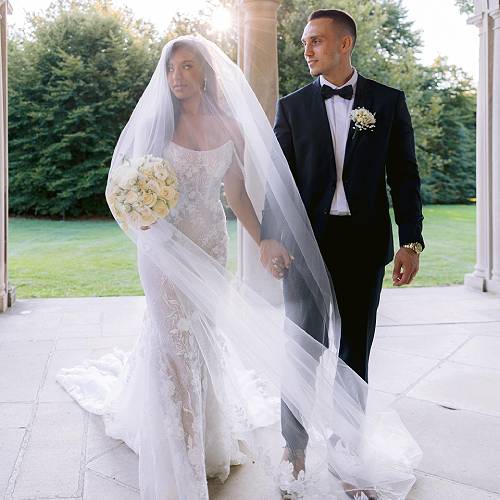
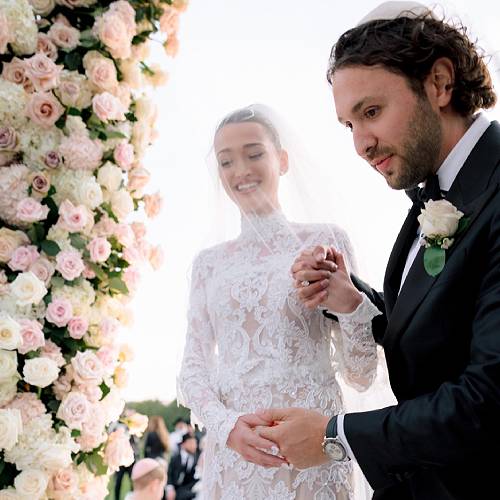
Each winning photograph represents a different side of my vision. Tuscany in Motion is about reduction, taking a familiar landscape and stripping it down to a rhythm of trees and clouds, almost like a musical score. Modern Icons was inspired by the idea of a bride and groom as contemporary film stars; I wanted the scene in the car to feel both intimate and iconic. The wedding portraits, such as The Elegance of Now and Veiled in Grace, focus on posture, grace and the quiet confidence of the bride. Effortless Grace in Motion adds movement and fashion to the story, while Under the Chuppah leans into pure photojournalism, preserving an honest moment during a Jewish ceremony. Winning Gold and Silver across minimalism, fashion, contemporary, portrait and photojournalism makes me grateful and more confident in pursuing a calm, timeless aesthetic instead of chasing trends. It encourages me to keep refining my voice and to create images that will still feel relevant and emotionally true many years from now.
3. How do you decide which photo to submit for a competition?
When I select images for a competition, I look for three things: emotion, structure and longevity. Emotion is the first filter; if the photograph doesn’t make me feel something immediately, it won’t survive in a judging panel either. Then I study the structure: composition, balance, use of light and how the eye travels through the frame. Finally, I ask myself if this image will still make sense in ten years, or if it’s too dependent on current trends. I often leave a shortlist for a few days and come back with fresh eyes. The photographs that still feel strong and honest after some distance are the ones I submit.
4. What first made you pick up a camera?
I picked up a camera because I wanted to remember how certain moments felt, not just how they looked. Growing up, I was very aware of the atmosphere, the silence after a conversation, the way light enters a room in late afternoon. At first, I photographed friends and family, then small events, and I realized how powerful it was to give people images that moved them emotionally. That feeling of being trusted to document important moments in someone’s life is what kept me going and eventually led me to weddings.
5. What’s your favorite type of photography, and why do you love it?
My favorite type of photography is wedding and portrait work that has a fine art sensibility. I love the challenge of working in real, unscripted situations and still creating images that feel like frames from a classic film. Weddings combine everything I care about: human connection, beautiful settings, fashion, architecture and light that changes every minute. Within that, I try to photograph in a way that is calm and intentional, focusing on gestures, glances and the space between people. It is incredibly rewarding to create photographs that become part of a family’s visual history.
6. What’s your go-to camera setup, and why does it work best for your projects? What’s your favorite feature?
My go-to setup is a full-frame mirrorless camera paired with fast prime lenses, especially in the 35mm to 85mm range. This combination lets me work quickly while maintaining excellent image quality, even in low light.
7. If someone looked at your work, what’s the one thing you’d want them to feel?
I want people to feel a sense of calm, elegance and intimacy. Even when the scene is full of movement and emotion, my goal is to present it in a way that feels gentle and timeless rather than chaotic. I hope viewers feel that they are quietly standing inside the moment with the couple, noticing small details, a gesture of the hand, the way a veil moves, the texture of the landscape.
8. What was the most challenging part of capturing your winning shot?
The main challenge was balancing spontaneity with control. For example, in Modern Icons, we were working with a moving car, changing light and limited time. I had to direct the couple in a way that felt natural and relaxed while still paying close attention to reflections, lines and their expressions. With the minimalist landscape, timing was everything, waiting for the right arrangement of clouds and light over the trees. In the wedding portraits, the difficulty was to keep the atmosphere calm for the couple while guests and schedules were moving around us. In all cases, the challenge was to protect the mood of the moment and still refine the composition.
9. Is there a specific place or subject that inspires you the most?
I’m very inspired by locations that combine history and nature, villas, estates, old universities, gardens and coastal towns. These places have a built-in narrative, you can feel the stories that happened there long before you arrive with a camera.
10. Who or what has been your biggest influence in photography?
My influences come from both photography and other arts. I’m inspired by classic portrait photographers and by contemporary wedding photographers who value elegance and natural light. Beyond photography, I look to cinema, classical painting and architecture, the way old masters used light and negative space, or how a building can frame a person.
11. What message would you share to inspire photographers to participate in photography awards, and what advice would you give to help them excel in the competition?
Entering awards can be intimidating, but it is also a powerful way to grow. Competitions push you to edit your work more critically and to understand what truly represents your voice. My advice is to submit images that feel authentic to you, not just what you think judges might like. Study the categories, choose photographs that clearly communicate one strong idea, and pay attention to technical details like cropping and color. Whether you win or not, the process of preparing your submission will make you a stronger photographer.
12. What’s one piece of advice for someone just starting in photography?
Learn to see before you obsess over gear. Start by paying attention to light, how it changes throughout the day, and how it shapes faces and spaces. Practice with whatever camera you have and focus on telling simple, clear stories in a single frame. Be patient with yourself, photograph a lot, and edit even more, keeping only the work that truly resonates. And most importantly, stay curious and humble, ask questions, assist others, and treat every shoot as an opportunity to learn.
13. What role do editing and post-processing play in your creative workflow?
Editing and post-processing are essential, but I see them as refinement rather than rescue. I try to get the foundation right in camera light, composition, and expression and then use editing to bring the file closer to how the moment felt. My goal is a clean, timeless look with natural skin tones, gentle contrast and colors that won’t feel dated in a few years.
14. How do you see technology, like AI, influencing the future of photography and your own approach?
Technology and AI are changing photography very quickly, especially in areas like workflow, culling and basic adjustments. I see this as an opportunity, the more routine tasks can be automated, the more time we have to focus on vision, connection with clients and the experience on the day of the shoot. At the same time, I believe the core value of photography will remain human taste, intuition and the ability to anticipate a moment. I use technology to support my work, but I’m careful to keep the final decisions and the emotional direction in my own hands.
15. If you could photograph anything or anyone in the world, what would it be?
If I could choose anything, I would love to photograph a deeply multicultural celebration in the United States, a wedding where different cultures, languages and family traditions all come together in one day. One of the things I appreciate most about America is this mix of people and stories, set against so many different landscapes, from cities to coastlines.