Lucky Rangga
1. Congratulations on winning in the Global Photography Awards! Can you share a little about yourself, what inspired you to pursue photography, and how has your journey evolved since your first shot?
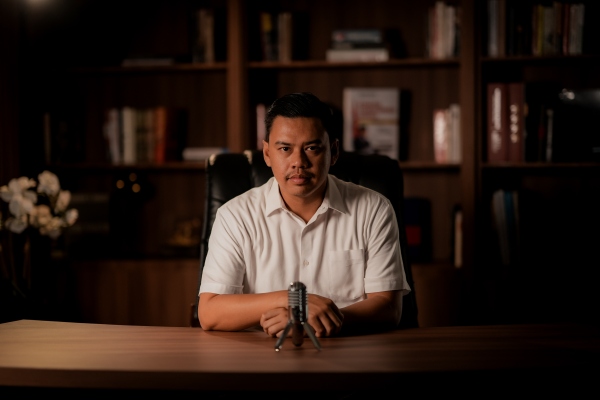
Thank you so much! My name is Lucky Rangga, and I am a professional photographer based in Indonesia. My journey into photography started from a deep curiosity about human stories and a desire to freeze fleeting moments in time that words often fail to capture. Over the years, my work has spanned various genres—from photojournalism and editorial work to documenting the lives of everyday communities, including serving as a personal photographer in government communications. Since my first shot, my perspective has evolved profoundly. I realized early on that photography is not just about technical precision or chasing aesthetic perfection; it is a powerful medium for empathy, social commentary, and historical preservation. Every assignment and personal project teaches me how to listen better through the lens, looking beyond the surface to find the authentic human narrative beneath. Winning this award with my documentary series "Beneath the Toll Road: The Final Evening at KM 17" is a profound validation of that mission—proving that when we give space to stories that are often overlooked, they resonate globally.
2. Can you share the story or inspiration behind your award-winning piece? How does winning this award make you feel about your journey in photography?
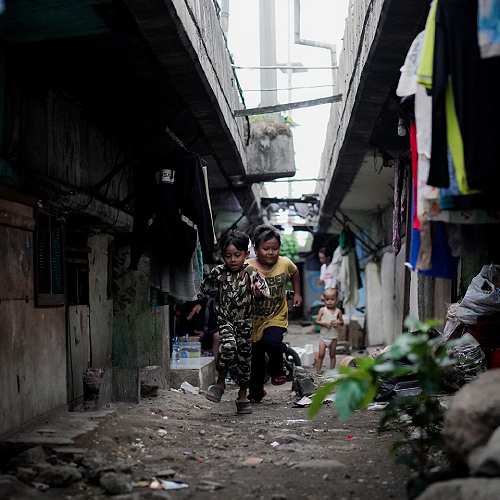
My award-winning series, "Beneath the Toll Road: The Final Evening at KM 17," captures the poignant final hours of a resilient community living under the Angke KM 17 toll road in Jakarta just before their relocation. The inspiration came from a profound need to document human dignity amidst adversity. I wanted to witness and preserve the quiet resilience, the lingering routines, and the bittersweet atmosphere of a neighborhood that was about to vanish from the landscape. It is a visual tribute to people whose lives unfold in the shadows of urban development, reminding us of the transient nature of home. Winning this award for such a deeply personal and socially grounded project makes me feel an overwhelming sense of gratitude and validation. It reassures me that the stories of ordinary people on the margins of society matter and deserve to be seen on a global stage. This recognition serves as a powerful milestone in my photography journey, inspiring me to keep looking closer, listening deeper, and using my lens to shed light on stories that demand to be told.
3. How do you decide which photo to submit for a competition?
When deciding which photo or series to submit for a competition, I look for images that go beyond technical excellence. A winning entry needs to possess emotional depth, a strong narrative core, and the ability to instantly connect with viewers who might know nothing about the context. I choose works that speak with absolute honesty—images where the composition, lighting, and subject matter align to tell a compelling story. For competitions, especially in photojournalism and editorial categories, I prioritize projects that carry a universal human message, challenge perspectives, and leave a lasting impression long after the viewer looks away.
4. What first made you pick up a camera?
What first made me pick up a camera was a deep fascination with freezing fleeting moments in time. I was captivated by how a single photograph could capture raw emotions, tell a complex story, and preserve a fragment of history that would otherwise vanish forever. It started as a simple curiosity about framing the world through a lens, but it quickly transformed into a powerful medium for me to communicate, show empathy, and connect with people from all walks of life.
5. What’s your favorite type of photography, and why do you love it?
My favorite type of photography is photojournalism and human interest photography—essentially, photographing people and their stories. I love it because people are endlessly complex, resilient, and authentic. Every individual carries a world of experiences, emotions, and struggles within them. Through photojournalism, the camera becomes a bridge that allows me to capture raw human moments, give a voice to the unheard, and tell powerful stories that evoke genuine empathy and connection across borders.
6. What’s your go-to camera setup, and why does it work best for your projects? What’s your favorite feature?
My go-to camera setup typically involves a professional mirrorless body paired with a versatile fast zoom lens (like a 24-70mm f/2.8) or a classic prime lens (such as a 35mm or 50mm). This setup works best for my projects—especially photojournalism and human interest photography—because it offers the perfect balance of agility, speed, and exceptional low-light performance. In documentary work, moments unfold in a split second, so being lightweight, discreet, and reliable is crucial. My absolute favorite feature is the lightning-fast autofocus tracking combined with silent shutter capability. Being able to capture candid, authentic emotions without disturbing the natural flow of a scene or drawing unwanted attention allows me to stay completely invisible while preserving the raw truth of the moment.
7. If someone looked at your work, what’s the one thing you’d want them to feel?
If someone looks at my work, the one thing I want them to feel is empathy. Beyond appreciating the composition or the technical execution, I want my photographs to bridge the distance between the viewer and the subject. Whether it’s a quiet moment of struggle, resilience, or daily joy, I hope my images make people pause, feel deeply, and recognize a shared human connection that reminds us of our common humanity.
8. What was the most challenging part of capturing your winning shot?
The most challenging part of capturing my winning shot was balancing emotional sensitivity with technical execution. Documenting a community during their final hours beneath the Angke KM 17 toll road before relocation required a delicate approach. It wasn't just about positioning the camera or waiting for the right light; it was about earning the trust of people facing a major displacement in their lives. I had to remain respectful, unobtrusive, and deeply empathetic while capturing the raw, bittersweet atmosphere of an environment about to vanish forever, ensuring that the dignity of the subjects always remained at the forefront.
9. Is there a specific place or subject that inspires you the most?
The subject that inspires me the most is everyday human resilience—the quiet strength of ordinary people navigating life's challenges in urban corners, marginalized spaces, or communities on the brink of change. I am deeply drawn to places where history, raw reality, and human stories intersect, such as dense urban settlements and neighborhoods on the margins of development. These environments reveal the most honest expressions of life, reminding me that profound and meaningful stories are always unfolding right in front of us if we only take the time to look closely.
10. Who or what has been your biggest influence in photography?
My biggest influence in photography has been the enduring tradition of documentary photojournalism and the raw realities of everyday life itself. Rather than looking to a single individual, I am continually shaped by legendary documentary photographers who used their lenses as tools for social awareness and historical memory. However, my most profound daily influence is the quiet resilience of ordinary people. Witnessing how communities adapt, struggle, and find dignity amidst harsh environments or sweeping urban changes is what truly drives my vision, teaching me to look past the surface and honor the authentic human spirit in every frame.
11. What message would you share to inspire photographers to participate in photography awards, and what advice would you give to help them excel in the competition?
To my fellow photographers, I would say: do not hesitate to share your stories with the world. Participating in awards isn't just about winning trophies; it is a vital way to give your subjects a global voice and to test your own artistic growth. To excel in competitions, my main advice is to choose authenticity over trends. Submit work that you are deeply passionate about—stories that you have invested your heart and soul into. Technical perfection will catch a judge's eye, but it is genuine emotion, narrative depth, and a unique personal perspective that will truly make your images unforgettable. Stay true to your vision, photograph with empathy, and let your work speak for itself.
12. What’s one piece of advice for someone just starting in photography?
My one piece of advice for beginners is to shoot as often as you can, but more importantly, shoot with intention and curiosity. Don't get overly caught up in constantly upgrading your gear or chasing perfection right away. Instead, focus on understanding light, training your eyes to see the extraordinary in the ordinary, and listening to the stories unfolding around you. Master the fundamentals, stay patient with your progress, and let your personal curiosity guide your lens—because your unique perspective is your most valuable asset.
13. What role do editing and post-processing play in your creative workflow?
In my creative workflow, especially in photojournalism and documentary work, editing and post-processing play a supportive, rather than transformative, role. My goal is always to stay true to the authentic reality of the moment I captured. Post-processing is used subtly—adjusting contrast, tonal balance, and exposure—to refine the mood and guide the viewer's eye naturally to the narrative core of the image. For me, editing is about honoring the truth of the story, ensuring that the final frame reflects precisely what I felt and witnessed when I pressed the shutter.
14. How do you see technology, like AI, influencing the future of photography and your own approach?
Technology and AI are undeniably reshaping the landscape of photography, bringing both exciting tools and new challenges. On one hand, AI-driven advancements in autofocus, low-light processing, and editing efficiency can streamline our technical workflows. However, especially in photojournalism and documentary photography, I believe the core essence of our craft must remain rooted in human authenticity, truth, and genuine lived experience. AI can assist with technical execution, but it can never replicate empathy, intuition, or the emotional weight of being physically present to witness a human story. My approach is to embrace technology as a helpful assistant while fiercely protecting the uncompromised integrity of real moments captured through a human lens.
15. If you could photograph anything or anyone in the world, what would it be?
If I could photograph anything or anyone in the world, I would love to document the quiet, unscripted daily lives of indigenous communities living in the most remote corners of the planet, untouched by the rush of modern civilization. Specifically, I’d want to capture their deep, harmonious relationship with nature and the enduring traditions passed down through generations. In a rapidly globalizing world, these stories of cultural heritage and quiet survival are fleeting. Capturing them would be a privilege—a way to preserve the diversity of the human spirit before the modern world reshapes them forever.