Michael Zhu
1. Congratulations on winning in the Global Photography Awards! Can you share a little about yourself, what inspired you to pursue photography, and how has your journey evolved since your first shot?
I go by PPPlifeart. I don't come from a formal photography background — I don't carry professional camera equipment. Everything you see in this winning collection was shot on a smartphone, in passing moments during travel. For me, photography started less as a technical pursuit and more as a habit of paying attention: whenever I look at the sky, the clouds, the mountains, the sea, the people and things around me, I find myself thinking — and I want photography to carry that thinking outward, to give shape to something inward. Creativity, depth, and a philosophy of life are what I'm really after. As I like to say — the essence of photography is capturing the moment, not the gear. It's the heart and the eyes that turn a moment into something eternal.
2. Can you share the story or inspiration behind your award-winning piece? How does winning this award make you feel about your journey in photography?
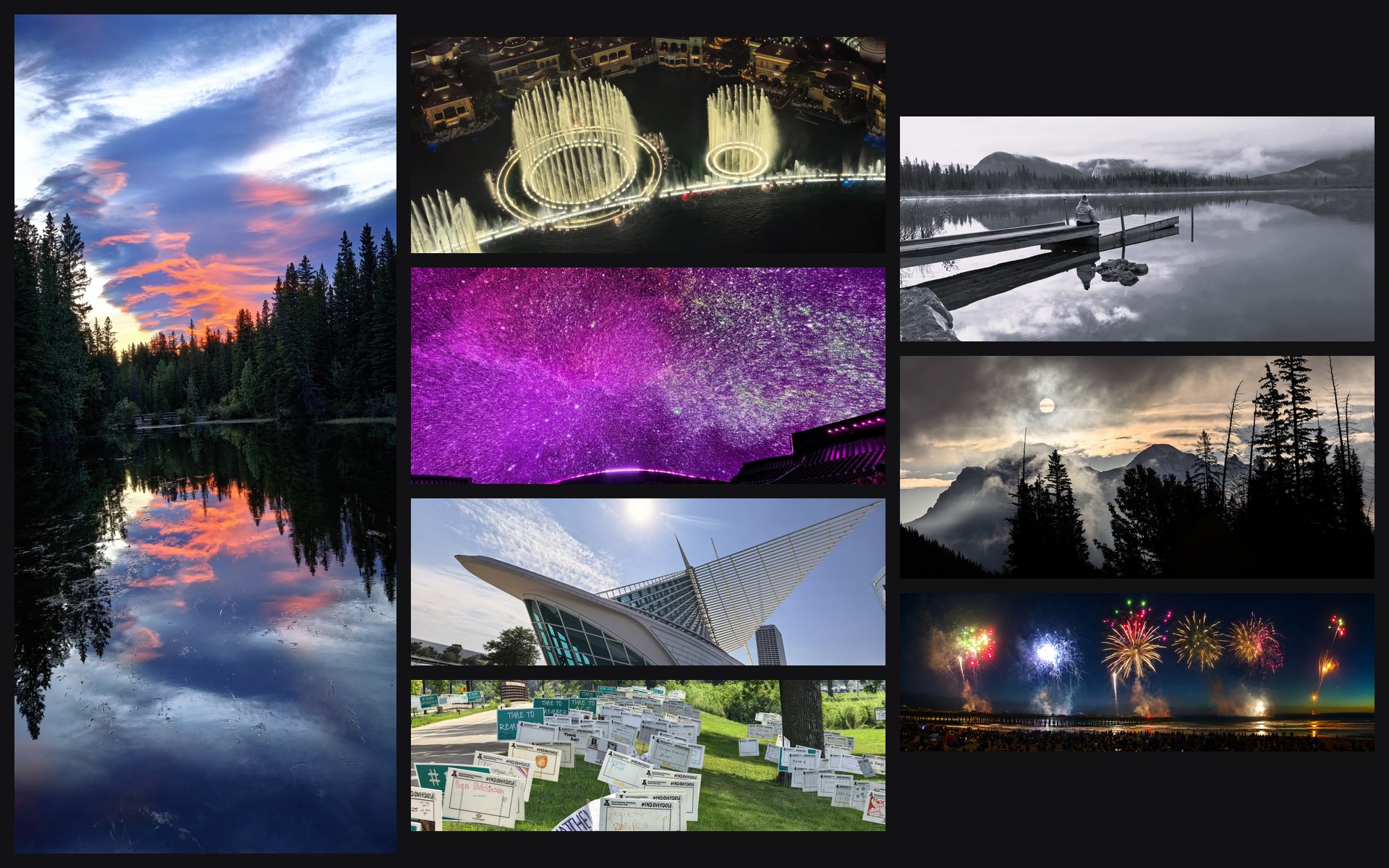
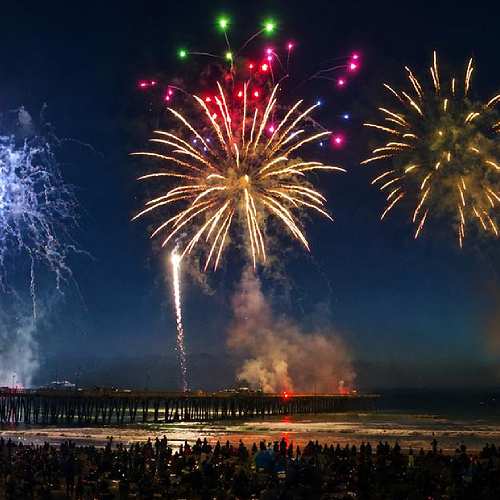
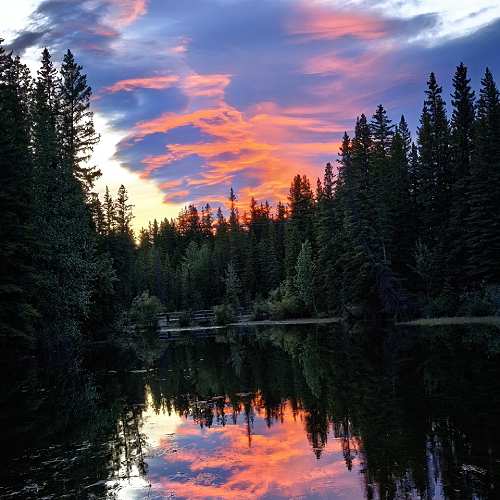
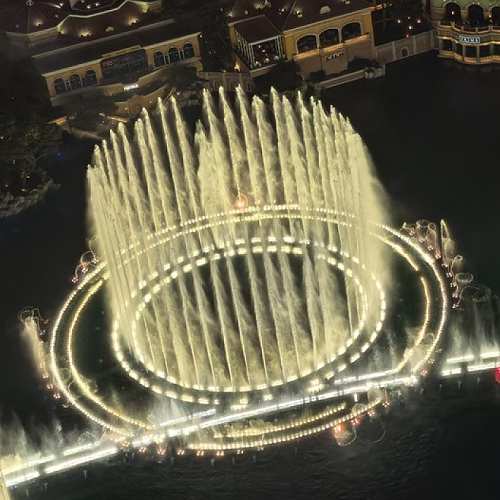
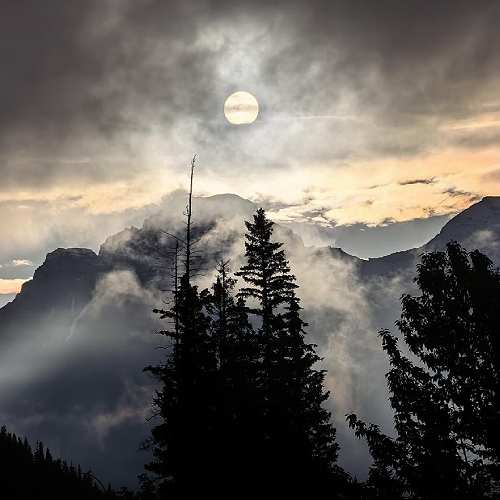
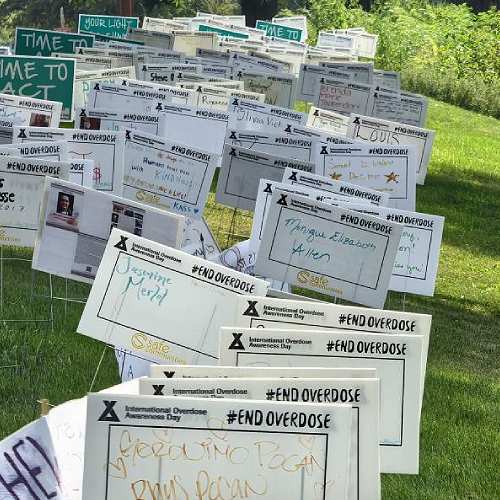
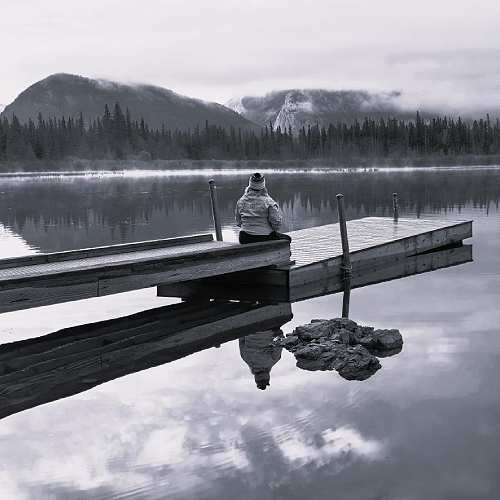
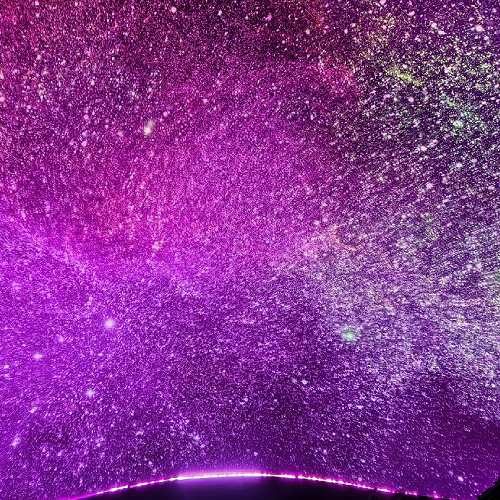
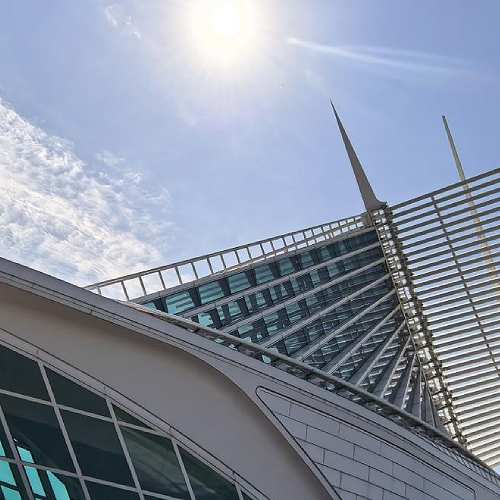
Night of Fire — On a July 4th trip to Pismo Beach in 2021, I shot a sequence of firework bursts on my phone and stitched the frames into one panorama, so moments that happened one after another could exist together in a single image — the whole feeling of that night on the coast, not just one flash of light. The Weight of Remembrance — Driving from Madison toward Milwaukee on August 31, 2026, I passed a roadside field of hundreds of white placards. I pulled over. Up close, each sign carried a name, a message, a drawing — #ENDOVERDOSE. I hadn't planned to stop; the road asked me to. Frozen Fire Mirror — At sunset in Canmore, Canada, the water turned almost glass-still, mirroring a burning sky against icy blue. I shot it vertically, on my phone, in the few minutes before the light changed. Liquid Architecture — From the Eiffel Tower replica at Paris Las Vegas on the 4th of July, looking down at the Bellagio fountains, the illuminated water formed shapes that looked architectural in their own right — so I framed the permanent buildings around the temporary, moving light. The Veil of Olympus — In Banff National Park, drifting mist and low cloud kept revealing and hiding the jagged Rockies, like a curtain being pulled back and dropped. I waited for the moment the peaks broke through. Contemplating the Mountain, Contemplating the Self — Alone at the edge of a mountain lake in Banff on a quiet morning, I sat and looked out at the water — then turned the phone toward the scene, half thinking about the landscape, half thinking about Wang Yangming's idea that looking outward and looking inward are the same act. The Synthetic Cosmos — Inside the Sphere in Las Vegas at night, the LED interior swallowed the sense of being indoors at all. I swept a panorama on my phone to hold onto that disorientation — architecture that stops feeling like architecture. Built to Soar — This one's personal. I'd just dropped my son off at the University of Wisconsin–Madison for his freshman year, and on the drive back through Milwaukee, a building with sweeping, upward-curving fins caught my eye. It looked like it wanted to fly. I shot it low-angle against the open sky — it felt like watching him go. Winning Silver Awards at the Global Photography Awards means a great deal to me. It is both an honor and an encouragement. Most of my images are not carefully staged or planned—they are moments I encounter while traveling, captured instinctively on a smartphone when I feel the spirit of the scene. So this recognition tells me that sincerity, observation, and emotional connection matter just as much as equipment or elaborate preparation. It encourages me to keep looking closely at everyday life, keep trusting my eye, and keep sharing the fleeting moments that move me.
3. How do you decide which photo to submit for a competition?
This year I made three trips: in June to the Banff area in Canada; in July to Las Vegas for America's 250th birthday; and in August to drop my son off at college. Between those trips and my photo library, I have a lot of images, so I walk through the library and choose the ones I like most, then match them to the categories. My criteria, in order: 1. It has to touch my heart first. 2. It has to fit into a proper category. 3. I think strategically about which category gives it the best chance of winning. 4. It should not compete with my own other submissions. 5. I keep the cost down. I used the package of 10 entries, and that was my limit — I did not go beyond it.
4. What first made you pick up a camera?
It started less as a technical pursuit and more as a habit of paying attention. Whenever I look at the sky, the clouds, the mountains, the sea, the people and things around me, I find myself thinking — and I wanted photography to carry that thinking outward, to give shape to something inward. I don't come from a formal photography background; I've always shot with a smartphone.
5. What’s your favorite type of photography, and why do you love it?
Photography that captures a decisive moment — a human being, a life story, a ray of light, a pattern the sky happens to create — a frame with something truly unique and deep in it. What I love is that these things can't be staged or repeated. A face, a gesture, or a beam of light breaking through the clouds lasts only a second, and if you are paying attention, that second can hold a whole story. That is what I am always chasing.
6. What’s your go-to camera setup, and why does it work best for your projects? What’s your favorite feature?
Just a smartphone — a very good one, the best phone I could get my hands on — but still no dedicated camera body, no lenses, no tripod. Every one of these eight images was captured that way, which is a deliberate part of the work: proving that the moment matters more than the machine. My favorite feature is panorama: I often shoot in panorama to hold more of the moment than a single frame can.
7. If someone looked at your work, what’s the one thing you’d want them to feel?
Night of Fire — the collective, layered energy of a crowd sharing one celebration, compressed into a single view. The Weight of Remembrance — quiet grief and public mourning; the human cost behind a public health crisis, made individual through names on handwritten signs. Frozen Fire Mirror — stillness and tension held together — fire and ice, movement and calm, coexisting for a few fleeting minutes. Liquid Architecture — wonder at how something as impermanent as illuminated water can feel as solid and designed as a building. The Veil of Olympus — awe in the face of something ancient and vast — the feeling of standing at a threshold between hidden and revealed. Contemplating the Mountain, Contemplating the Self — calm introspection; humility in the presence of scale, and an invitation to look inward. The Synthetic Cosmos — disorientation and immersion — the sense of not knowing where a real room ends and a manufactured universe begins. Built to Soar — hope and release; the ache and pride of watching someone you love become independent.
8. What was the most challenging part of capturing your winning shot?
Night of Fire — timing a handheld panoramic sweep across a moving, unpredictable fireworks show without the individual frames looking disjointed once stitched. The Weight of Remembrance — the emotional challenge, not the technical one: deciding to stop the car and walk into a field of grief as a stranger, and photograph it respectfully without a dominant human figure in frame. Frozen Fire Mirror — the light was changing by the second; getting the reflection glass-still and the color balance between the warm sky and cool water right meant shooting fast, with no time to set up. Liquid Architecture — holding a steady panoramic sweep at night, freehand, from height, while the fountains and lighting were mid-sequence and would never repeat exactly the same way. The Veil of Olympus — waiting through shifting mist and cloud for the one moment the peaks actually broke through, with no way to predict when that would happen. Contemplating the Mountain, Contemplating the Self — capturing a genuinely unposed, private moment of my own stillness without breaking it by fussing over the shot. The Synthetic Cosmos — low-light, handheld panoramic capture inside a moving, immersive LED environment where exposure needed to hold across a huge brightness range. Built to Soar — finding the right low angle against the sky, from a moving trip, in the middle of an emotionally heavy drive home.
9. Is there a specific place or subject that inspires you the most?
Night of Fire — coastal California, and Pismo Beach specifically; the ocean paired with celebration keeps pulling me back. The Weight of Remembrance — the ordinary American roadside — I've learned it can hold more emotional weight than any planned location. Frozen Fire Mirror / The Veil of Olympus / Contemplating the Mountain, Contemplating the Self — the Canadian Rockies, around Banff and Canmore; the scale of that landscape never stops giving me something new. Liquid Architecture / The Synthetic Cosmos — Las Vegas at night, where architecture, light, and technology blur together in ways no natural landscape does. Built to Soar — Milwaukee, tied specifically to a personal milestone; a place that will always carry that memory for me.
10. Who or what has been your biggest influence in photography?
Henri Cartier-Bresson, Elliott Erwitt, Berenice Abbott, Peter Lik, and Jeff Walker — to me, the greatest artists at capturing the decisive moment and making that moment available to people across the globe, generation after generation. Beyond them, travel itself is the biggest influence — new places sharpen attention. Philosophically, Wang Yangming's ideas about introspection shaped "Contemplating the Mountain," and more generally, I come back to the same idea in everything I shoot: it's not about expensive equipment; it's about heart and eyes.
11. What message would you share to inspire photographers to participate in photography awards, and what advice would you give to help them excel in the competition?
Enter with what you already have. None of my winning images was planned as submissions, and being recognized alongside photographers using far more equipment tells me intention and attention matter more than gear. Don't submit what you think judges want — submit the frames that carry your heart, spirit, originality and creativity.
12. What’s one piece of advice for someone just starting in photography?
Don't wait for the "right" camera before you start paying attention. The gear will always feel insufficient if you let it be the excuse. Start with what's in your pocket and train your eye instead.
13. What role do editing and post-processing play in your creative workflow?
For my competition entries, my editing was minimal: I only cropped and resized, nothing else. For the black-and-white image, I converted the color to black and white. There is one exception: for the fireworks at the beach, I stitched multiple shots taken at different moments in time into a single image — turning a sequence across time into one scene across space, with all the bursts together over the beach.
14. How do you see technology, like AI, influencing the future of photography and your own approach?
We are lucky to be born in this era, when so many advanced technologies — AI included — are within our reach. Still, our heart, our eyes and our minds remain the center of expression: they carry what we feel in the moment outward into the world. Technology and AI are good tools — they assist us, help us, enlarge what we can do, and enable us to do things we couldn't before. No one in their right mind would give up airplanes or cars; in the same way, we should keep using AI and technology, and not back away or walk away from them. At the same time, a photo competition has its own scope, goals and rules, and we need to respect them clearly and follow them. Using these tools wisely means knowing where they belong in the creative process, and honoring the rules of the setting we are in.
15. If you could photograph anything or anyone in the world, what would it be?
If I could, I would spend more time photographing social injustice, the weak, and the people who need help. I want my photographs to bring more people and more resources to invest in the most vulnerable parts of society — so that they are not dropped, not left alone, and not forgotten. A photograph can make people stop and see someone they would normally pass by, and that is where help begins.